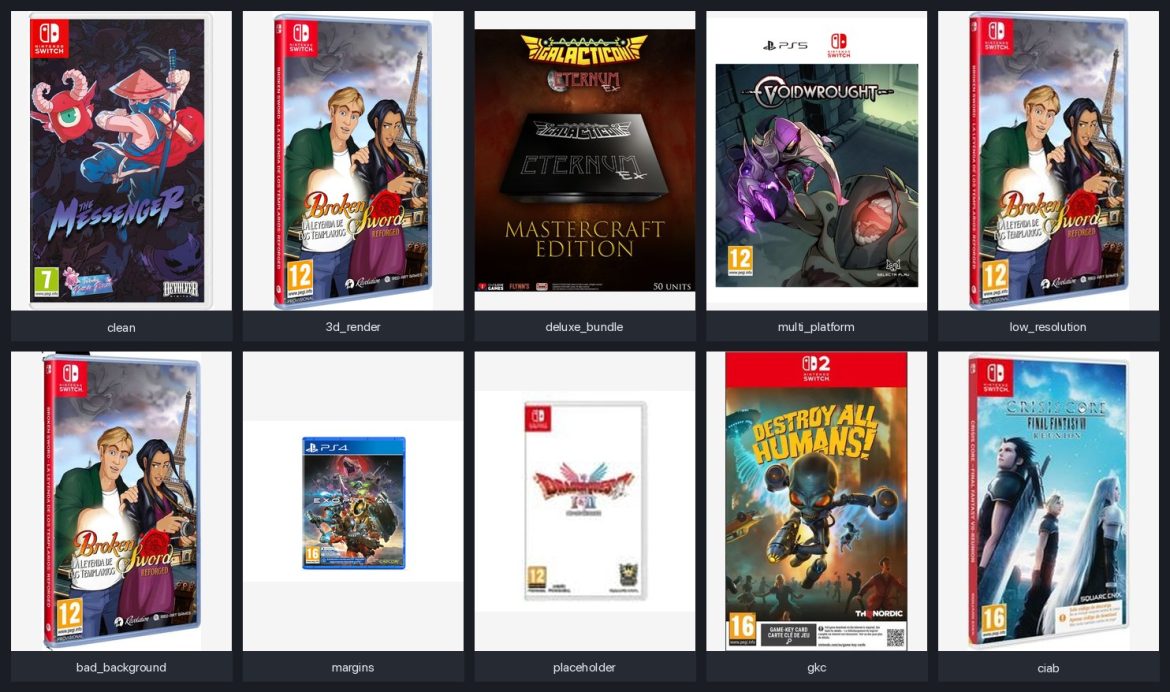
A side project of mine is a video-game price-comparison catalogue. It pulls product data from a handful of retailers — affiliate feeds, public web APIs, a couple of cookie-based scrapers — and shows you which of them currently has the best price on a given title. About 27,000 editions across ~12,000 games.
Python
Our AI-powered Slack bot had a credibility problem. It could query BigQuery, generate syntactically valid SQL, format results in neat tables, and respond conversationally. But when someone asked “what was revenue last month?” the number was wrong. Not because of a bug in the code — the SQL executed perfectly. The problem was semantic: the bot did not understand what “revenue” actually means in our domain.
Our helpdesk ticket sync to BigQuery was broken. The Cloud Function responsible for it was hitting a 504 gateway timeout after 900 seconds — and the root cause was simple: it was listing every single ticket via the API on every run. With 52,000+ tickets and a page size of 50, that’s over 1,040 API calls before any data lands in BigQuery. Around 35 minutes of sequential HTTP requests, every single time.
We had a managed connector (think Fivetran, Airbyte, or similar) syncing our helpdesk data — tickets, contacts, threads, comments — from a SaaS helpdesk platform into BigQuery. It worked fine until it did not: the connector would miss webhook events, lag behind on incremental syncs, and occasionally produce phantom duplicates that our dbt models would faithfully propagate into dashboards. The cost was also non-trivial for what amounted to six tables.
Our BI tool does not expose a usage API. So I built a headless Playwright scraper on Cloud Run that logs into the BI platform, scrapes dashboard usage metrics, loads them into BigQuery, and sends weekly Slack summaries. Here is how I handled the hardest part: session management.
I built a paper trading bot that runs on a Raspberry Pi 5, executes 8 strategies across stocks and crypto, and has been trading a simulated 10,000 euro portfolio since early 2026. This post covers the technical details: the strategy code, the backtester that validated the strategies against 195,000 candles, the yfinance pitfalls that cost me days of debugging, and the web dashboard that lets me monitor everything from my phone.
Our data team of four was drowning in ad-hoc requests. “What was the revenue last month?” “How many active customers do we have in Germany?” “What’s the conversion rate for Q4?” Each question meant someone opening a SQL editor, writing a query, formatting the results, and posting them in Slack. So I built an AI-powered data assistant: a Slack bot backed by Claude and BigQuery that lets anyone on the team ask business questions in natural language and get SQL-backed answers in seconds.