
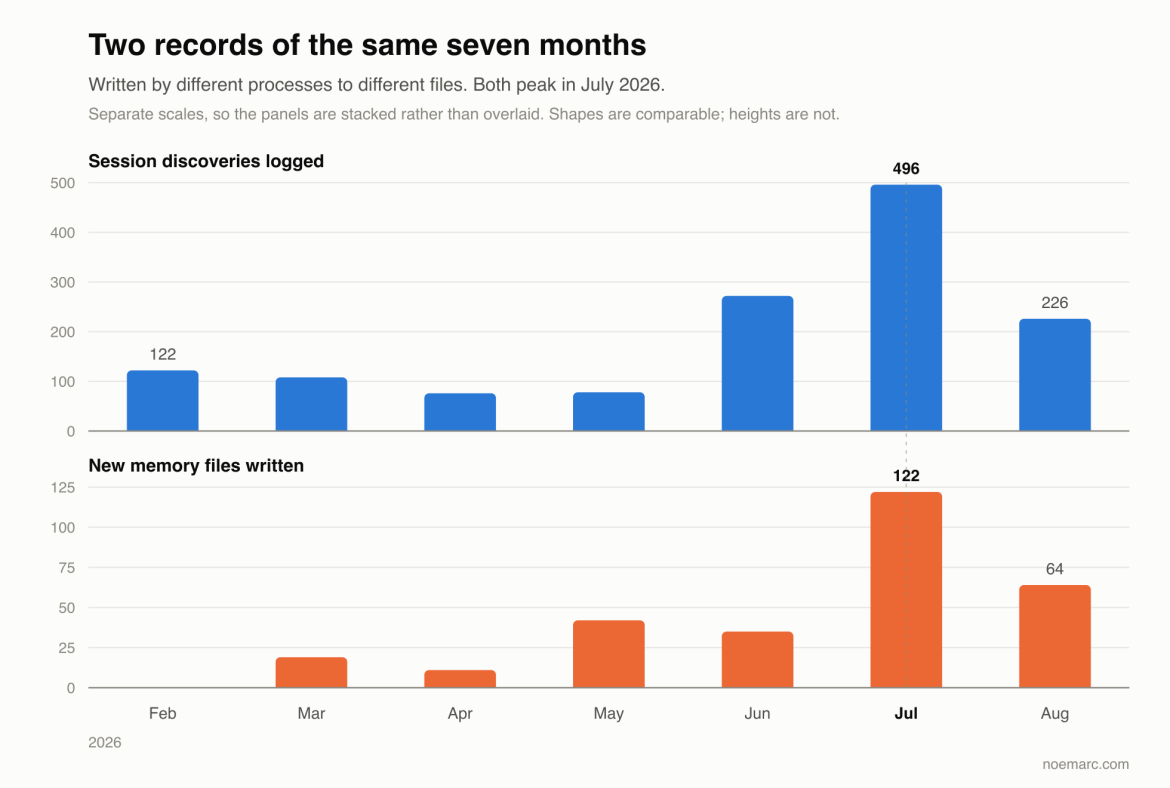
I gave an agent one rule: close as many of my tickets as you honestly can, where “done” has to survive someone checking it. Two days later I had closed four tickets and opened nineteen.

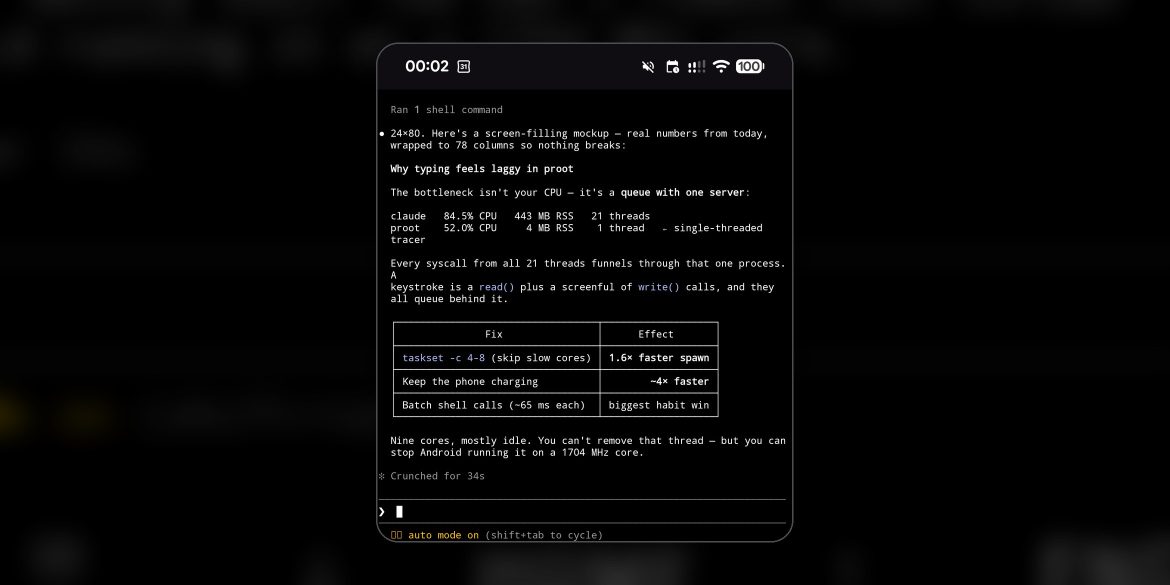
Everything you need to run it well on a phone, and the popular advice that quietly makes it worse.
I do real work from my phone — a Django site, a scraper pipeline, deploys to a Hetzner box, all from a Pixel 8 Pro. Claude Code runs on it and has done for months.
Getting there took a day of benchmarking, most of which produced results I didn’t expect and a few that reversed things I’d assumed. You don’t need to repeat any of it. Here’s the setup, in order, and then the list of sensible-sounding tweaks that measure out to nothing or actively hurt.
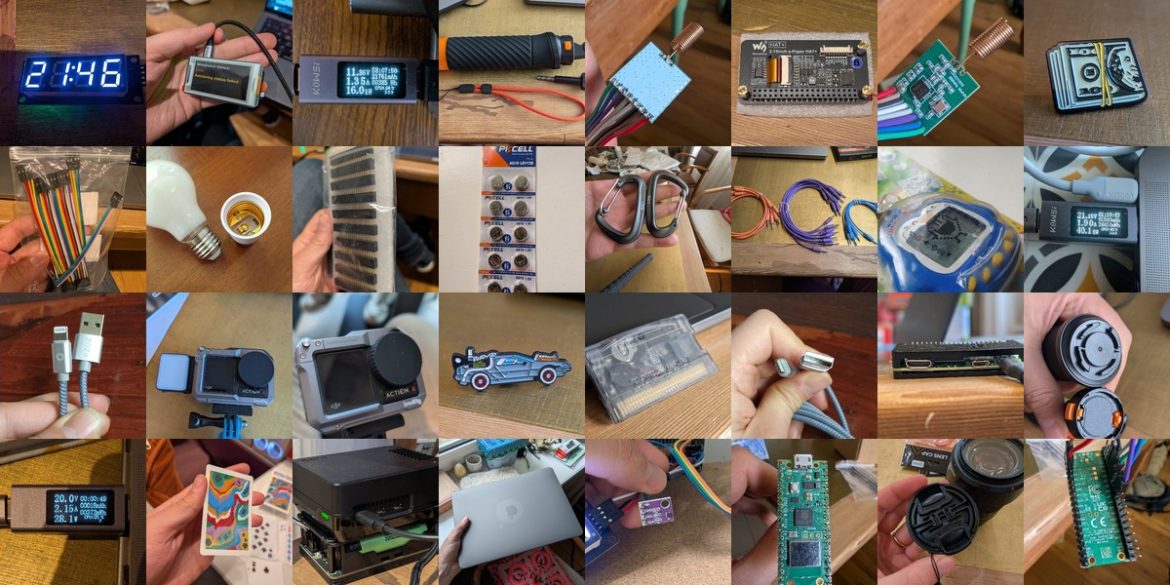
Ten years of cheap electronics, and a new €3 charge that quietly makes the whole habit pointless.
I’ve been buying from AliExpress since November 2015. My first order, for the record, was a €1 bag of replacement screws for a MacBook — the sort of thing no shop near me stocks and no sane person pays shipping for. That pretty much set the tone for the next decade.
I pulled my whole account history the other day and counted 322 orders. Just under €5,000 over ten years, which sounds like a lot until you look at what it actually was: jumper wires, GPIO headers for a Raspberry Pi, solder, a handful of sensor boards, plastic sleeves for my game cartridges, little displays you genuinely can’t buy here in the Netherlands without paying three times the price. Supplies, basically — the raw material for a hundred small weekend projects. There were a couple of real splurges buried in there too — a brand-new iPhone, the odd used MacBook SSD — but mostly it’s a long, boring list of things that cost a euro or two.
For all that it comes to ten years and nearly €5,000, the median order was about €5. Almost half of everything came in under that, fifty-odd orders were under €2, and the cheapest was a literal one cent. The most expensive single thing in a decade was that new iPhone, at €499 — the exception that proves how small the rest of it is. That’s the shape of it: a steady drip of tiny parcels, around thirty a year, with the occasional proper purchase thrown in.
On 1 July 2026 the EU changes the rules in a way that makes that kind of shopping stop adding up. So I’m winding the account down. Here’s the thinking.
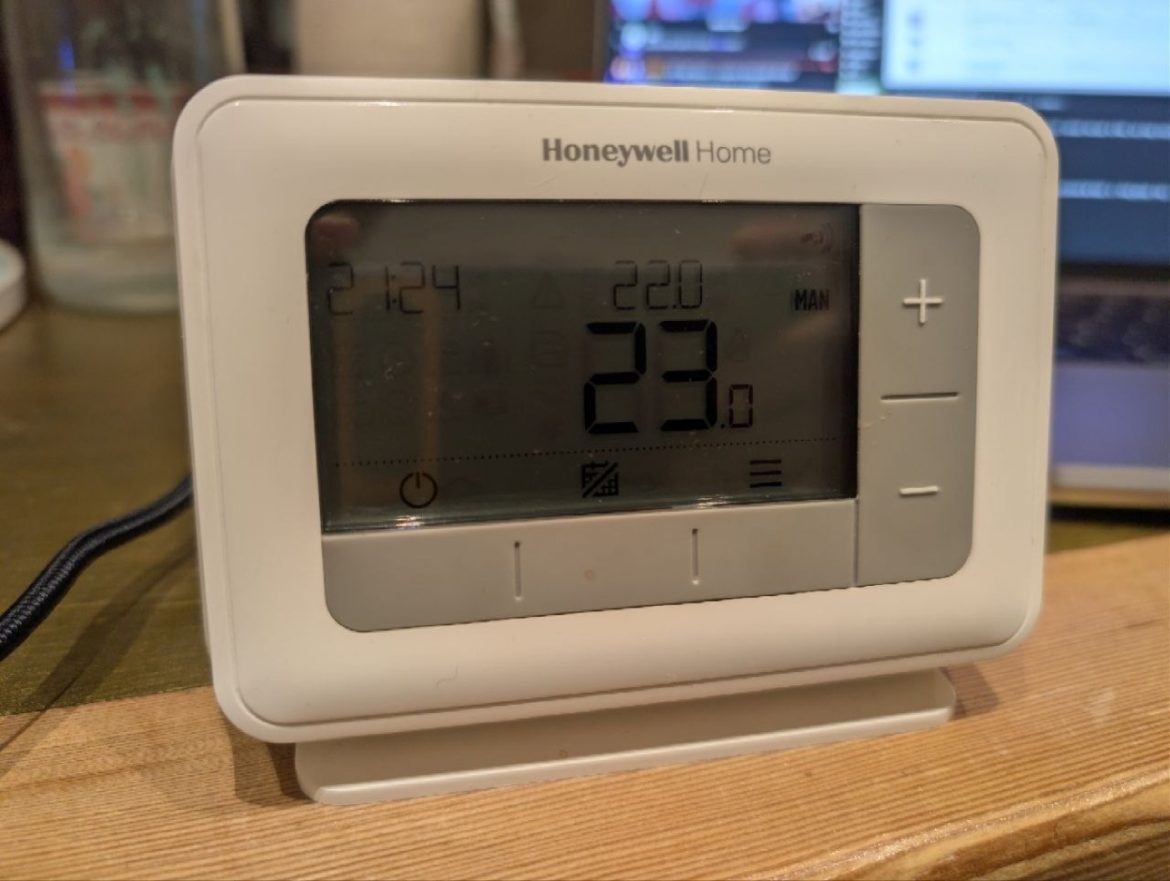
A from-scratch RAMSES-II receiver on the cheapest hardware that works — and the one detail that makes the signal look encrypted when it absolutely isn’t.
You can sniff and decode your Honeywell evohome / T-series heating straight off the air with a Raspberry Pi Pico and a ~€1 CC1101 radio — no nanoCUL, no ESP32, no pre-built firmware. Here’s the whole thing from scratch: the exact wiring, the working code, and the one detail that makes the signal look encrypted when it isn’t.

Here is a jar of jelly beans. How many are in it?
Take a guess and hold onto it. We’ll come back to it — and to the slightly unsettling fact that nobody, including the people who set the puzzle, actually knows the answer.
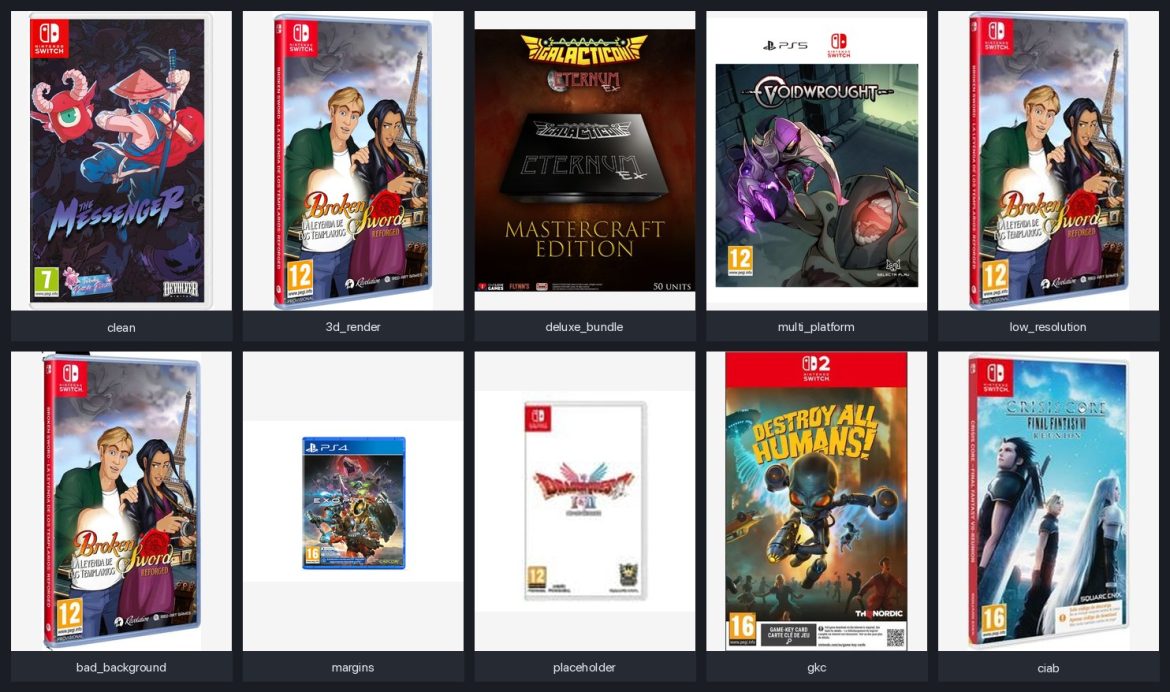
A side project of mine is a video-game price-comparison catalogue. It pulls product data from a handful of retailers — affiliate feeds, public web APIs, a couple of cookie-based scrapers — and shows you which of them currently has the best price on a given title. About 27,000 editions across ~12,000 games.
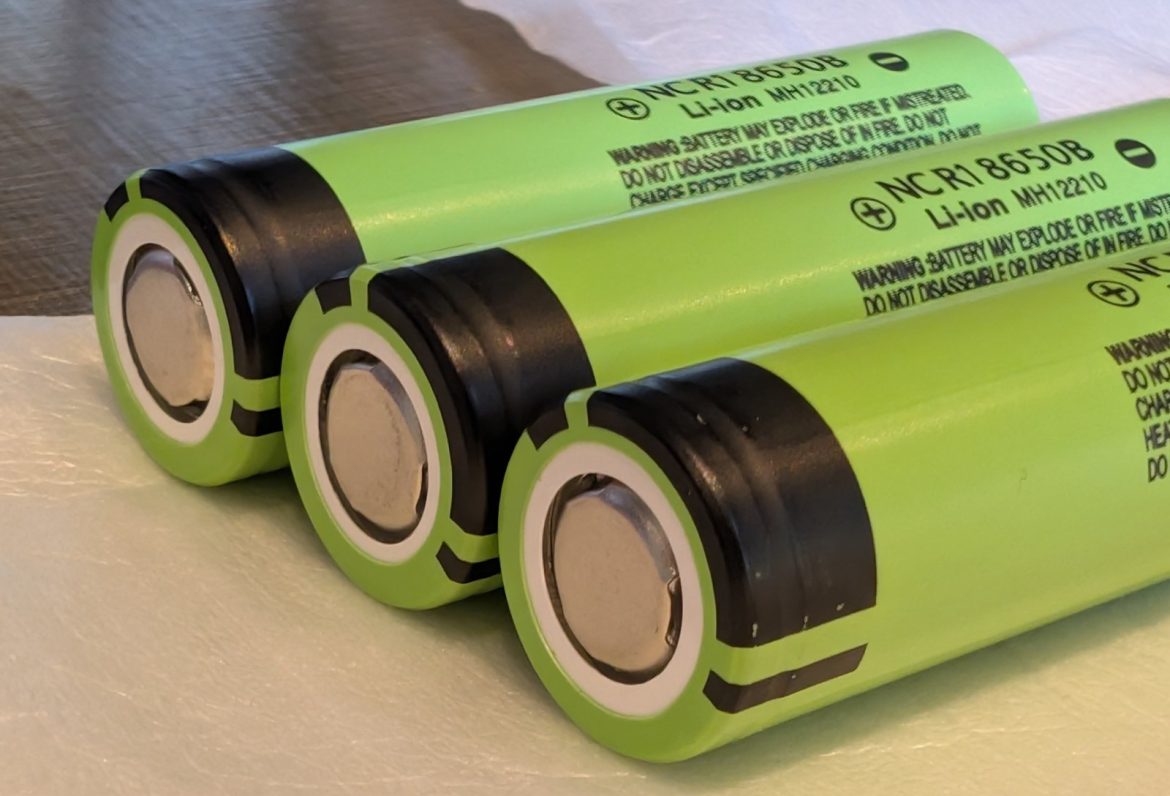
I picked up three LiitoKala 34B flat-top 18650s to populate the Waveshare UPS Module 3S sitting under my Raspberry Pi 5 home server. The cells are sold as a Panasonic NCR18650B rewrap — the printed cell label reads NCR18650B Li-ion. They came from the LiitoKala official store on AliExpress at about $2/cell after coupons and AliExpress coins (closer to $4 at sticker), which is well under half what genuine retail-channel Panasonic cells go for.
I started using Claude Code in December last year. In four months, I’ve delivered what my team would have needed two or three years to ship — at least. That sounds like a happy ending. It isn’t quite.
Early 2025 AI was a toy. ChatGPT could write a function, sometimes correctly, often not. It was impressive in demos and frustrating in practice. A year later the picture is unrecognisable. AI is now genuinely useful — useful enough that I can build almost anything I want in a single day, regardless of how complex it is.
Newer Posts